
The Engineering Behind Bolt Action Pen Mechanisms: How They Work Explained Simply
The inner workings that makes bolt action pens unique
Bolt action pens use a precisely machined bolt, channel, spring, and locking notch to create a reliable, tactile mechanism that feels smooth and secure in everyday use.
- Simple but precise mechanism: A side bolt rides in a machined track and drops into a locking notch to extend the refill and hold it firmly in place.
- Spring-powered movement: An internal spring compresses to push the tip out, then releases to retract the refill smoothly back into the barrel.
- Controlled friction and feedback: Carefully tuned friction in the channel and a distinct “drop” into the notch create the satisfying, click-like feel users enjoy.
- Durable, low‑complexity design: Compared to multi-part click mechanisms, bolt action pens use fewer, mostly metal components, which improves robustness and long-term consistency.
Why Bolt Action Pens Engineering Deserve a Closer Look
Bolt action pens have become one of the most respected designs in everyday carry and premium writing tools. Many people enjoy the satisfying motion, the secure lock and the reliable feel, but very few understand how the mechanism actually works.
The engineering inside a bolt action pen is surprisingly elegant. It combines mechanical physics, smart geometry and simple force transfer to create a smooth, dependable action.
Understanding the mechanics helps you appreciate the craftsmanship behind the tool. It also helps explain why certain bolt action pens, including high value options from Bastion, are praised for consistency and strength. This guide breaks down the mechanism clearly so you can see what is happening under the surface each time you slide the bolt into place.

The Core Principles Behind Bolt Action Design
Although every manufacturer introduces small variations, almost all bolt action pens rely on the same engineering fundamentals. The design uses motion, locking geometry and controlled friction to keep the pen in either writing or closed position.
The Sliding Bolt
The bolt is the external lever you move with your thumb. It travels along a machined track that guides its path. This motion translates into linear displacement of the refill inside the pen. When the bolt reaches the locking position, a notch or pocket in the track holds it securely.
The Channel and Notch
Inside the track is a specific path with subtle angles. The bolt follows a straight section, then drops into a notch that prevents movement until you intentionally lift it out. This is where mechanical advantage comes into play. The notch geometry is designed so the bolt cannot slip out on its own, even if the pen is shaken or dropped.
The Spring
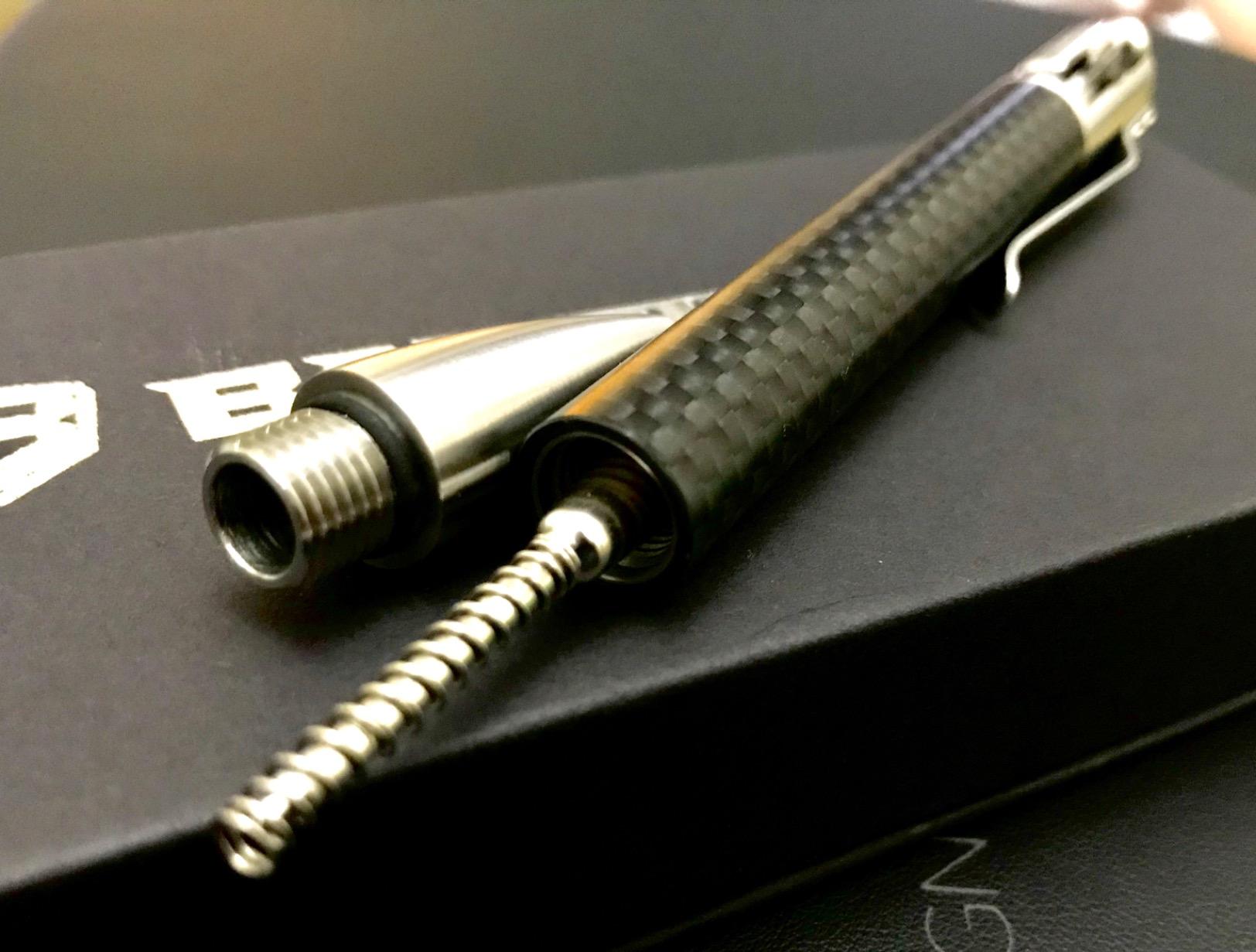
A spring inside the pen pushes the refill downward when the bolt is retracted. When you slide the bolt forward, you compress the spring slightly. This allows the refill to fully extend and stay in writing position. When released, the spring retracts the refill completely.
The Physics of Motion and Locking
Each time you guide the bolt into the notch, two physical forces work together:
-
Friction between the bolt and the channel
-
Compression from the spring pushing against the refill
Combined, these forces help the pen stay locked until you deliberately lift the bolt out. The engineering creates a predictable, stable motion that feels controlled and reassuring.
How the Mechanism Works Step by Step
To understand bolt action mechanics clearly, it helps to walk through the motion from start to finish.
Step 1: Thumb Pressure
You push the bolt forward with your thumb. This applies linear force that moves both the bolt and the refill.
Step 2: Guiding the Bolt
The bolt slides along its channel. At this point, the spring begins to compress slightly, creating tension.
Step 3: Entering the Locking Notch
Once the bolt reaches the end of the straight channel, a slight downward movement drops it into the locking notch. The notch is shaped so that the bolt sits securely, with the refill fully extended.
Step 4: Writing Position
The pen now remains in this locked position until you deliberately lift the bolt out of the notch. The geometry prevents accidental unlocking. Mechanical stability and the compressed spring work together to keep the refill extended.
Step 5: Retracting the Refill
When you lift the bolt upward and return it along the channel, the spring decompresses and pulls the refill backward. It retracts smoothly into the barrel, returning the pen to storage mode.
This entire sequence takes less than a second, yet it relies on precise machining and carefully measured tolerances.
Why Bolt Action Pens Feel So Satisfying
The appeal is not just in the appearance. The satisfying feel comes from a combination of physics and craftsmanship.
Controlled Friction
The channel is engineered to create the right amount of resistance. Too little friction causes the bolt to feel loose. Too much causes grinding or stiffness. Well made bolt action pens, such as those produced by Bastion, get this balance right through tight machining tolerances.
Clear Mechanical Feedback
When the bolt drops into the notch, the user feels a distinct yet gentle stop. This is an intentional design feature that signals completion of the motion.
Solid Locking
The locking notch prevents any backtracking. The pen feels stable even when shaken or pressed against the page firmly.
Tactile Motion
Because the bolt changes direction mid motion, users experience a small sequence of controlled movements. This creates a rhythmic, satisfying sensation that many people describe as addictive or calming.
Comparing Engineering Complexity to Click Mechanisms
Bolt action systems appear simpler, but they are often more robust. Click pens use multiple small internal parts including cams, gears and plungers. These are prone to wear over time, especially when made from plastic. Bolt action pens rely on fewer moving parts and stronger metal to metal contact. The result is a mechanism that maintains consistency for many years.
Force Transfer
Click pens transfer force through tiny internal parts.
Bolt action pens transfer force directly from thumb to bolt to refill.
This direct motion reduces the number of failure points.
Wear Points
Click pens wear internally in ways that are difficult to repair.
Bolt action pens experience shallow surface wear that rarely affects performance.
Mechanical Life Expectancy
High quality bolt action pens often last significantly longer than typical click pens due to the simplicity and strength of their design.
What Makes a High Quality Bolt Action Pen
Not all mechanisms are engineered equally. The best examples share several important qualities.
Precision Machining
The channel must be cut cleanly and evenly. Any imperfections can cause scraping or inconsistent locking.
Strong Materials
Titanium and stainless steel perform best because they resist bending and surface wear. Brands focused on value and engineering, including Bastion, use these metals effectively.
Proper Spring Tension
Spring pressure should be strong enough to retract the refill smoothly but not so strong that it requires excessive effort.
Clean Notch Geometry
The locking pocket must be shaped to hold the bolt securely while still allowing easy release.
Understanding the Engineering Helps You Choose Better Tools
Knowing how the mechanism works makes it clear why bolt action pens stand out in the world of everyday carry. They combine clean mechanical physics, reliable movement and durable construction. A well engineered bolt action pen gives you smooth operation, secure locking and long term consistency that few other mechanisms can match.
Whether you carry a pen for work, writing, note taking or everyday tasks, choosing a well made bolt action model gives you a tool that remains dependable for years. Brands that focus on strong price performance, like Bastion, demonstrate how thoughtful engineering and solid materials make a bolt action pen both enjoyable to use and built to last.
Explore the complete Bastion guide
Read more
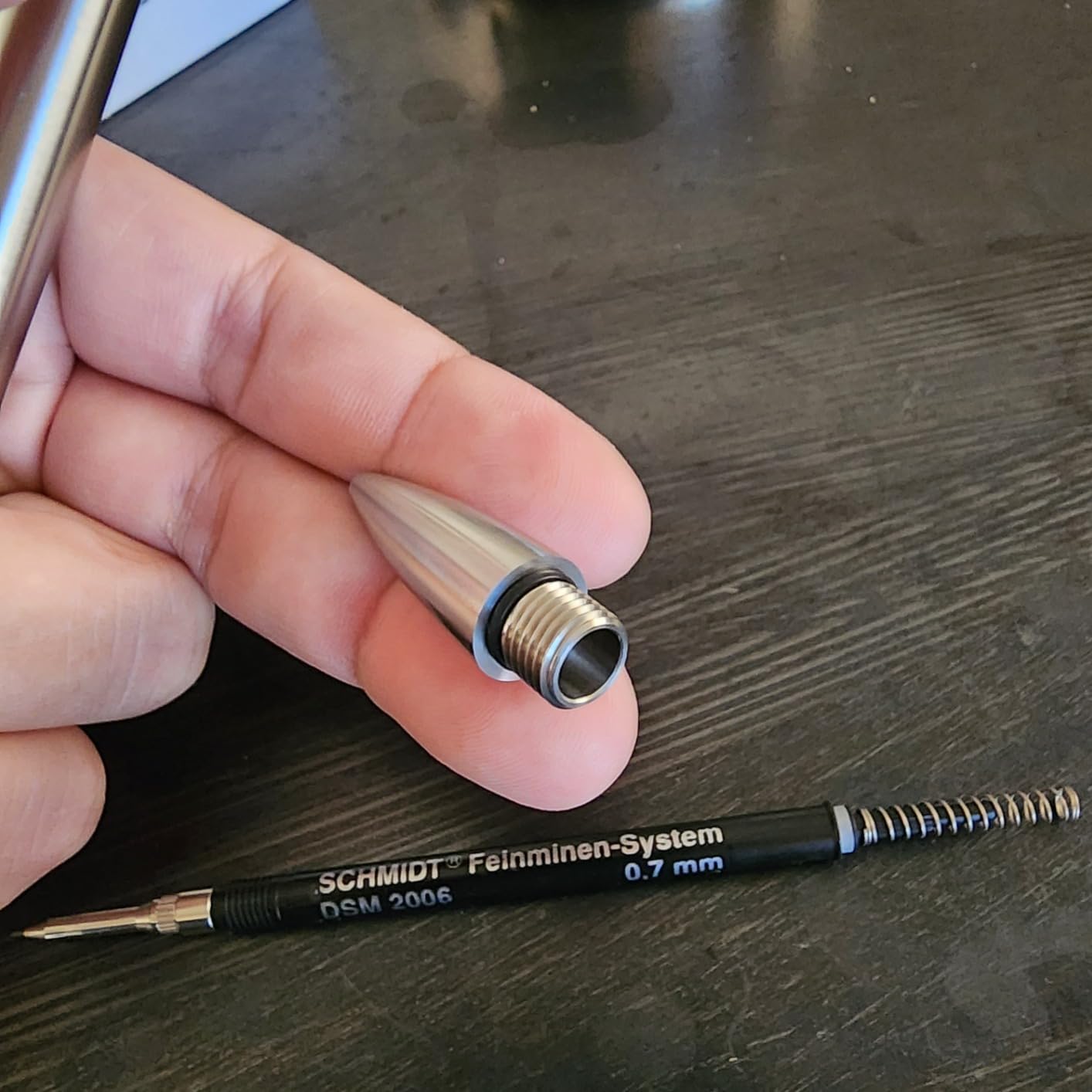
Learn how easy it is to clean and maintain Bastion Bolt Action Pens. Applies to all models, ensuring that your pen will write smoothly and reliably for a lifetime!
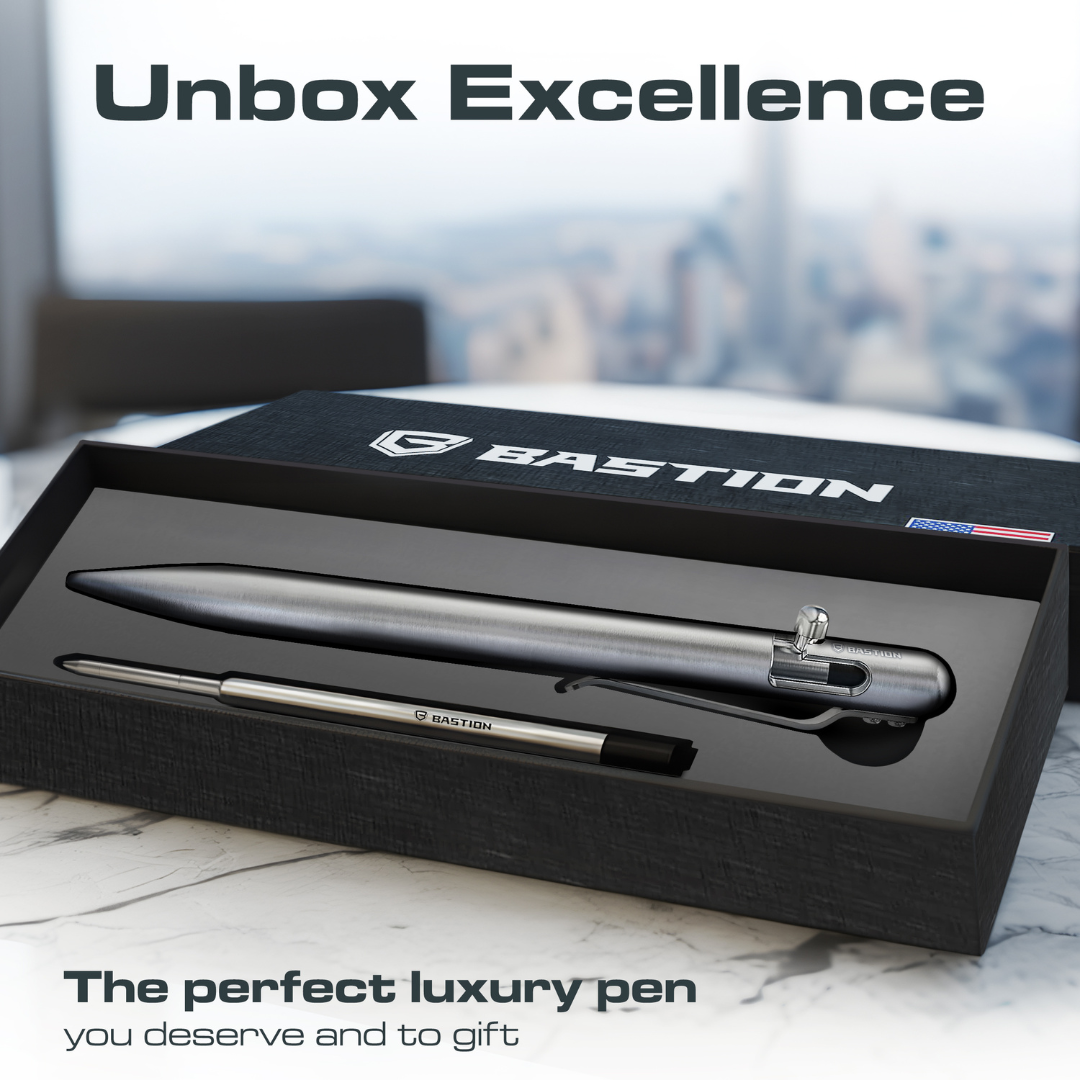
A dependable everyday carry writing tool should feel solid, write cleanly, and deploy smoothly every single time. The Titanium Slim Bolt Action Pen by Bastion® is a premium titanium bolt action pen...